Commercial painting is often viewed as the final stage of a property improvement project, primarily focused on refreshing the appearance of a building. While visual enhancement is certainly one of its benefits, experienced contracting teams recognize that commercial painting plays a much larger role within broader property improvement strategies. In many cases, painting projects are carefully integrated into comprehensive renovation, maintenance, and facility upgrade plans. Rather than being treated as an isolated service, commercial painting is often coordinated alongside structural repairs, exterior improvements, tenant upgrades, and preventative maintenance efforts. This integrated approach helps property owners maximize the value of their investments while improving both functionality and appearance.
Supporting Preventative Maintenance Objectives
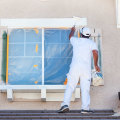
One of the primary reasons contracting teams incorporate commercial painting into larger improvement plans is its role in preventative maintenance. Paint serves as a protective barrier that helps shield surfaces from moisture, sunlight, temperature fluctuations, and everyday wear. Exterior coatings can protect siding, trim, metal surfaces, and other building materials from premature deterioration. Interior coatings help preserve walls and ceilings in high-traffic commercial environments. During the preparation phase of painting projects, contractors frequently identify issues such as water damage, rust, cracking, and surface deterioration that may require repairs before painting begins. Addressing these concerns early helps extend the lifespan of building components and reduces future maintenance costs.
Coordinating Painting With Renovation Projects
Commercial painting is often scheduled as part of larger renovation initiatives because it helps unify various improvements throughout a property. Whether a building is undergoing tenant improvements, office reconfigurations, retail updates, or common area renovations, painting provides a finished appearance that ties all project elements together. Contracting teams typically coordinate painting activities with electricians, drywall installers, flooring contractors, and other trades to ensure work is completed in the proper sequence. This level of coordination helps minimize disruptions, reduce rework, and create a smoother construction process for both property owners and occupants.
Enhancing Property Appeal and Marketability
For commercial property owners, appearance plays a significant role in attracting tenants, customers, and visitors. Fresh paint can dramatically improve a building’s curb appeal and create a more professional environment. Contracting teams often recommend painting as part of broader property improvement plans because it offers a relatively cost-effective way to enhance the visual presentation of a facility. Updated color schemes, modern finishes, and well-maintained surfaces can help properties remain competitive in changing markets. Painting projects are frequently combined with landscaping improvements, exterior repairs, signage updates, and interior renovations to create a more cohesive and appealing property image.
Supporting Long-Term Asset Management
Commercial painting also contributes to long-term asset management strategies. Property owners who invest in routine maintenance and periodic repainting often experience fewer repair issues and lower operating costs over time. Professional contracting teams understand that preserving existing building materials is generally more economical than replacing them prematurely. Companies working with a contractor in Brownsburg IN or similar construction professionals often incorporate painting into scheduled maintenance plans to help property owners protect their investments while maintaining operational efficiency. This proactive approach helps ensure that facilities continue to perform well while retaining their value.
Improving Coordination Across Multiple Services
Another important advantage of integrating commercial painting into broader improvement plans is the opportunity for better coordination among service providers. Property improvement projects frequently involve roofing contractors, maintenance specialists, repair crews, and remodeling professionals. Painting contractors often work alongside these teams to ensure repairs are completed before protective coatings are applied. This collaboration improves project efficiency and helps maintain consistent quality standards throughout the property.
A Strategic Component of Property Improvements
Ultimately, commercial painting is much more than a cosmetic upgrade. It serves as a protective measure, supports preventative maintenance goals, enhances property appearance, and contributes to long-term asset preservation. By incorporating commercial painting into broader property improvement plans, contracting teams create more comprehensive solutions that benefit property owners, tenants, and visitors alike. This strategic approach helps ensure that buildings remain functional, attractive, and well-maintained for years to come.