Post-construction painting and commercial cleaning represent the final, transformative phase of any building project—when a construction site officially becomes a finished, functional space. After months of framing, electrical work, plumbing, drywall, and surface installation, the environment is often layered with dust, debris, and surface imperfections that hide the true quality of the work beneath. This stage is not about decoration alone; it is about readiness, safety, presentation, and long-term protection. When done correctly, post-construction painting adds durability and visual polish, while professional cleaning removes the hazards and residue left behind by construction activity.
What to Expect from Post-Construction Painting
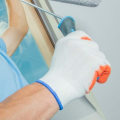
Post-construction painting goes beyond basic color application. Surfaces must be carefully inspected for nail pops, joint compound inconsistencies, sanding marks, and texture irregularities that are common after drywall installation. Painters repair these flaws before applying primer and finish coats to ensure uniform coverage and proper adhesion. Commercial-grade paints are often selected for durability, washability, and resistance to scuffing in high-traffic environments. This process protects walls and ceilings from early wear while establishing the aesthetic tone of the space. From offices and retail stores to medical facilities and warehouses, post-construction painting delivers both protective performance and brand-defining visual impact.
The Role of Commercial Cleaning After Construction
Once painting and finishing tasks are complete, commercial cleaning becomes the essential step that prepares the building for safe occupancy. Construction dust infiltrates every surface—floors, vents, ledges, fixtures, and equipment—carrying fine particles that can affect air quality and damage finishes if left untreated. Professional crews remove debris, adhesive residue, paint splatter, and protective film from windows, flooring, and fixtures. A commercial cleaning service in Orlando plays a critical role in resolving these final conditions by delivering deep, methodical cleaning that meets occupancy standards and inspection requirements.
Air Quality, Safety, and First Impressions
Post-construction environments often contain elevated airborne dust that is invisible but harmful, especially for employees, tenants, or customers with respiratory sensitivities. Commercial cleaning teams address this by vacuuming with HEPA filtration, wiping vertical and horizontal surfaces, and detailing vents and light fixtures. This improves indoor air quality immediately and reduces the risk of post-move-in complaints. Safety is also restored through the removal of loose debris, sharp materials, and slick residue that could cause slips or injuries. Just as importantly, the first impression of a newly completed space depends almost entirely on this final cleaning phase—clean glass, spotless floors, and dust-free surfaces communicate professionalism and readiness.
Coordination Between Painters and Cleaning Teams
Successful post-construction results depend on tight coordination between painting crews and cleaning professionals. Cleaning performed too early risks paint damage, while cleaning delayed too long allows dust to settle into fresh finishes. The ideal sequence involves progressive cleanups during late-stage construction, followed by final detailing once all paint has cured. This approach minimizes rework and protects newly finished surfaces. Communication between contractors ensures that each phase supports the next without interference, saving time and preventing costly touch-ups.
Timeline Expectations and Project Turnover
Post-construction painting and cleaning are often scheduled under tight deadlines dictated by lease agreements, inspections, or business openings. Painting timelines depend on square footage, surface condition, color complexity, and drying times. Commercial cleaning may take several hours to several days depending on the size of the facility and the level of construction residue present. Owners and managers should expect this final phase to be detailed, intensive, and essential to successful turnover. Rushing through it often results in visible flaws that undermine the investment made during construction.
Long-Term Protection and Operational Readiness
Beyond visual impact, post-construction painting and cleaning establish the baseline condition for long-term maintenance. Proper surface preparation and coating application make walls, ceilings, and trim easier to maintain over time. Deep cleaning removes abrasive particles that would otherwise shorten the life of flooring, HVAC systems, and fixtures. Together, these services protect the building from premature wear while ensuring it is fully operational from the first day of use.
The True Completion of a Construction Project
A construction project is not truly complete when the last tool is put away—it is complete when the space is clean, painted, safe, and ready to serve its purpose. Post-construction painting gives the building its identity and resilience, while professional commercial cleaning restores health, clarity, and order after months of heavy work. Together, these services bridge the gap between construction and operation, turning raw structures into functional, welcoming commercial environments.