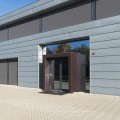
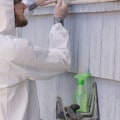
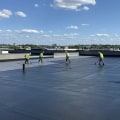
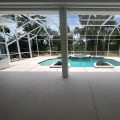
Commercial painting is often one of the final steps in a facility upgrade, but its impact extends far beyond aesthetics. A fresh, professionally applied coat of paint can transform a space, reinforce branding, and create a more welcoming environment for employees and customers alike. However, painting is most effective when it is integrated with other facility improvements such as plumbing upgrades, electrical work, flooring replacements, and structural repairs. When coordinated properly, commercial painting enhances the results of these upgrades, ensuring that the entire facility looks cohesive and operates efficiently.
Supporting Infrastructure and System Upgrades
Facility upgrades often involve critical infrastructure improvements that may leave visible marks or require surface restoration. For example, plumbing repairs or replacements can involve opening walls or ceilings, leaving behind patched areas that need refinishing. After completing services like drain service in Houston TX, commercial painting helps restore these surfaces to a polished condition while also adding a layer of protection against moisture and wear. This integration ensures that functional upgrades do not compromise the overall appearance of the facility, allowing both form and function to work together seamlessly.
Enhancing Durability and Protection
Beyond visual appeal, commercial painting plays a key role in protecting surfaces from environmental factors and daily wear. High-quality coatings can resist moisture, chemicals, and abrasion, making them particularly valuable in industrial or high-traffic environments. When combined with other upgrades, such as improved HVAC systems or better insulation, painting contributes to a more durable and long-lasting facility. Protective coatings can also help prevent issues like mold growth or corrosion, which can arise after major renovations if surfaces are left untreated. This added layer of protection ensures that the benefits of other upgrades are preserved over time.
Creating a Cohesive and Professional Environment
One of the biggest advantages of incorporating commercial painting into facility upgrades is the ability to create a unified and professional look. Renovations often involve multiple changes, from new fixtures to updated layouts, and paint serves as the element that ties everything together. Consistent color schemes and finishes can enhance the overall design, improve lighting conditions, and create a more comfortable atmosphere. This is especially important in commercial settings where appearance can influence customer perceptions and employee satisfaction. A well-painted facility reflects attention to detail and a commitment to quality.
Improving Efficiency and Project Coordination
Coordinating commercial painting with other facility upgrades also improves project efficiency. Scheduling painting after major installations ensures that surfaces are not damaged during construction, reducing the need for touch-ups or rework. When contractors collaborate and plan the sequence of tasks carefully, projects can be completed more quickly and with fewer disruptions. This streamlined approach minimizes downtime for businesses, allowing them to resume normal operations sooner while benefiting from the improvements.
Maximizing Long-Term Value
Ultimately, commercial painting complements other facility upgrades by enhancing both functionality and long-term value. By restoring surfaces, protecting materials, and unifying design elements, painting ensures that every aspect of the renovation contributes to a polished and durable result. When integrated into a comprehensive upgrade plan, commercial painting becomes more than just a finishing touch—it becomes an essential component of a successful facility transformation. With the right approach, businesses can achieve a space that is not only visually appealing but also built to perform efficiently for years to come.