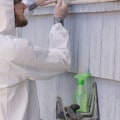
Hiring a commercial painter involves more than finding someone who can apply a fresh coat of paint. Commercial properties often present different challenges than residential spaces, including larger surface areas, specialized coatings, active work environments, and stricter scheduling requirements. Building owners should begin by reviewing a painter’s experience with offices, retail spaces, warehouses, medical facilities, multi-unit properties, and other commercial settings. A contractor who understands these environments may be better prepared to manage access, safety, preparation, and project coordination without unnecessarily disrupting daily operations.
Check Licensing, Insurance, and Credentials
Before signing a contract, building owners should verify that the painting company holds any licenses or registrations required in the area. Insurance is equally important because commercial projects may involve ladders, lifts, scaffolding, and work around employees, tenants, or customers. General liability coverage and workers’ compensation protection can help reduce risk if an accident or property damage occurs. Owners should also confirm who will actually perform the work and whether subcontractors are properly covered. Taking time to review these details before the project begins can prevent complications later.
Inspect the Building Before Painting
Paint cannot correct underlying structural or moisture problems, so the condition of the property should be evaluated before surface preparation begins. Cracks, water stains, peeling paint, uneven walls, or gaps around windows may indicate issues that require attention first. For example, if repeated wall cracking is connected to structural movement, consulting a specialist such as Bats Foundation Repair Austin TX before repainting may help determine whether repairs are needed. Addressing underlying problems first can reduce the likelihood that new paint will quickly crack, bubble, or separate from the surface.
Ask About Surface Preparation
The durability of a commercial paint job depends heavily on proper preparation. Building owners should ask how the contractor plans to clean, patch, sand, scrape, prime, and repair surfaces before applying paint. Exterior surfaces may require pressure washing or removal of failing coatings, while interior walls may need holes, cracks, or damaged drywall repaired. Different materials such as concrete, metal, wood, and masonry can also require different primers or preparation techniques. A clear preparation plan can provide a better indication of how thoroughly the contractor intends to complete the work.
Review Paint and Coating Options
Not every paint product is suitable for every commercial space. High-traffic areas may require more durable finishes, while kitchens, restrooms, or humid environments may benefit from coatings designed to handle moisture and frequent cleaning. Exterior surfaces require products that can withstand changing weather conditions. Owners should ask which brands, finishes, and coating systems are being recommended and why. Color selection should also consider branding, lighting, maintenance needs, and the way the space is used.
Confirm Scheduling and Site Management
Commercial painting often needs to be completed around business hours. Building owners should discuss whether work will occur during evenings, weekends, or in phases to minimize disruption. Contractors should explain how they will protect furniture, equipment, flooring, landscaping, and occupied areas. Clear communication about access, ventilation, cleanup, and daily progress can make the project easier to manage.
Compare Detailed Written Estimates
A professional estimate should outline labor, materials, preparation, number of coats, project areas, and anticipated scheduling. Building owners should avoid choosing a contractor based solely on the lowest price without comparing what each estimate actually includes. Significant price differences may reflect variations in preparation, product quality, or project scope.
Choose a Contractor Based on Overall Value
Hiring a commercial painter should ultimately involve evaluating experience, credentials, preparation methods, communication, materials, and project management together. Checking these details beforehand can help building owners avoid unexpected costs and improve the likelihood of a durable, professional-looking finish that supports the appearance and long-term maintenance of the property.